
What is Integrative Baby Therapy?
Integrative Baby Therapy (IBT) was developed as an approach for working with children by psychotherapist Matthew Appleton from Bristol (UK).
IBT helps children process and resolve prenatal and birth experiences that have not yet been integrated.
It can also be applied in work with adults and adolescents.
The Potential of Integrative Baby Therapy
Based on decades of research and practical experience in the field of pre- and perinatal psychology, IBT recognizes infants as sentient beings who are are deeply influenced by their birth journey and their experiences in the womb.
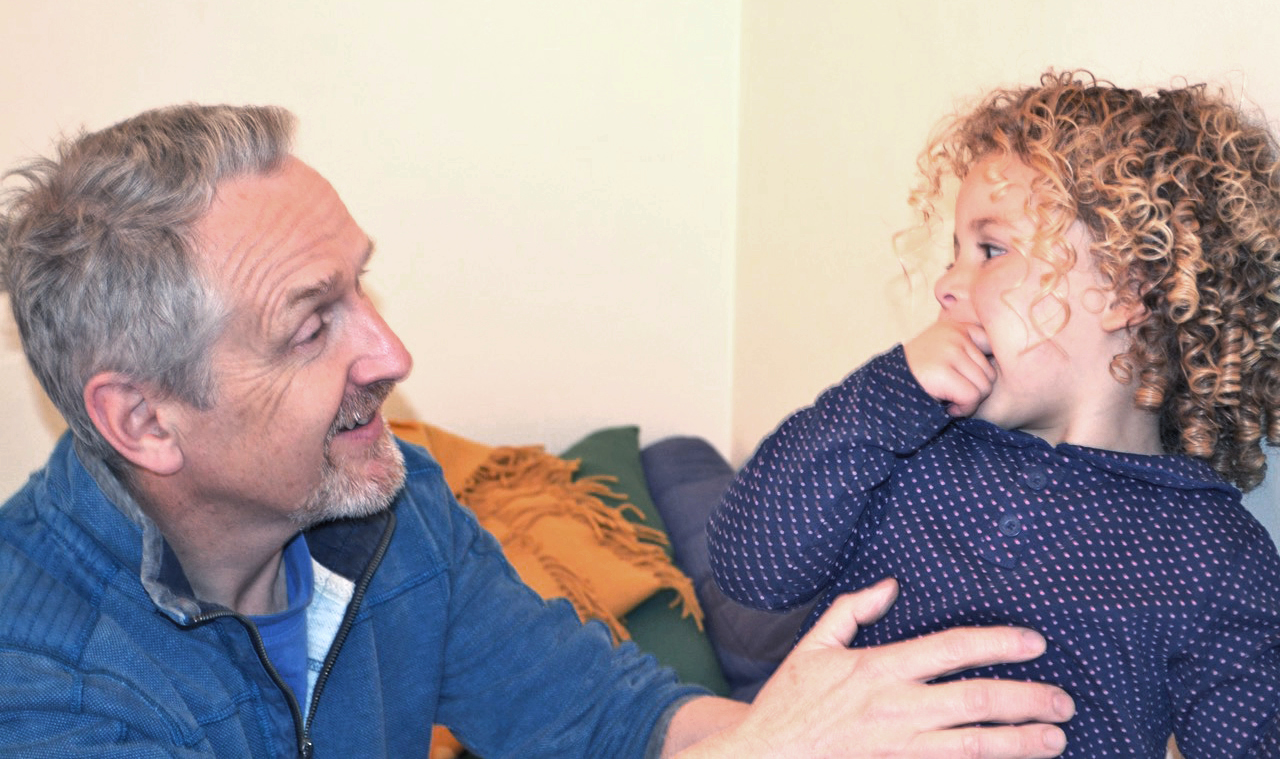
IBT: Supporting Parents, Infants, and Children
Inconsolable crying, restlessness, colic, attachment difficulties, developmental imbalances in motor skills, sleep, and feeding are often linked to unresolved prenatal and perinatal experiences.
These issues can be understood through two specific IBT approaches:
Baby Body Language:
During sessions, parents and primary caregivers are guided to recognize and understand this pre-verbal body language.
Memory Crying:
This expresses the story of the prenatal and birth journey. It is distinct from crying related to present needs, such as hunger, tiredness, or boredom.
The IBT Process: Supporting a Child’s Natural Self-Regulation
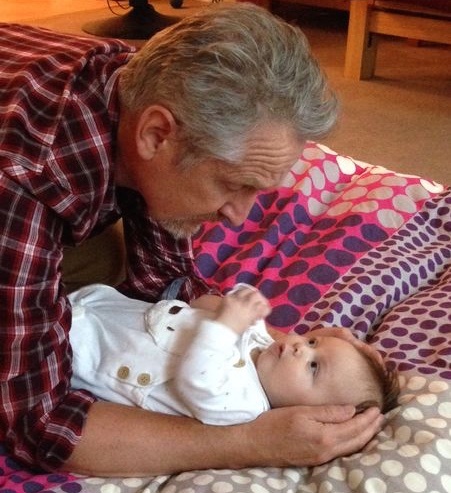
IBT works by following the child’s internal impulses, supporting natural self-regulation where it has been disrupted.
The approach is fundamentally permission-based, with parents actively involved and informed throughout the sessions.
Who are IBT Practitioners?
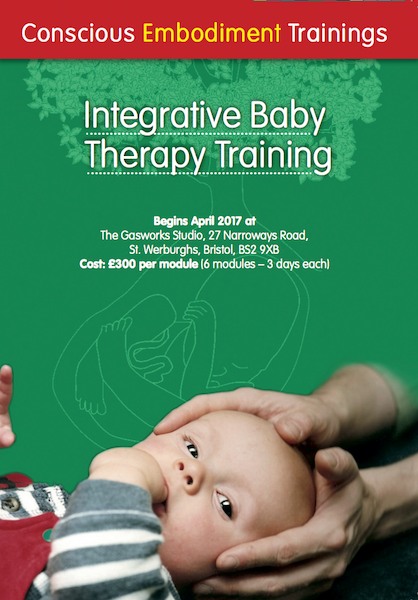
IBT is an advanced post-graduate training program lasting approximately three years, conducted in collaboration with the International Society for Pre- and Perinatal Psychology and Medicine (ISPPM). Today, it is offered in several countries.
IBT practitioners include:
- Midwives
- Doulas
- Infant care specialists
- Craniosacral Biodynamics practitioners
- Somatic movement educators (BMC®)
- Shiatsu practitioners
- Psychotherapistsi
- Pediatricians and other medical professionals
- Pediatric nurses
- Osteopaths
- Somatic therapists
- Dance therapists

Emotional Development in Infants: When to Start IBT?
The IBT approach is recommended after the sensitive postpartum period, starting around 40 days after birth although if parents are struggling before this time, sessions can also be beneficial.
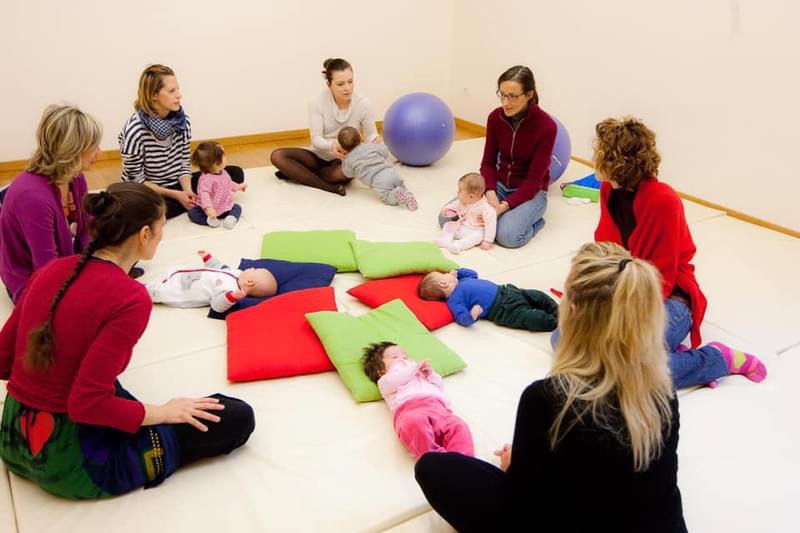
Through observation, play, creative expression, and body language, it is possible to recognize prenatal or birth stories that are still active in the body-mind system.
IBT Practitioners in Italy
Exploring prenatal and birth memories brings us into contact with our deepest nature and allows us to entrare in empathize with the early stories of newborns, children, adolescents.
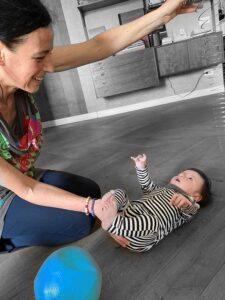
“We have first experienced within ourselves the beneficial effects of this research work—how it helps restore integrity, wholeness, and connection with others. We wish to give space and voice to everyone’s stories so they can receive the listening and empathy they deserve”.

“I think of IBT Italy, our group, like ferns—pioneers in unexplored terrain, a primal ground traversed by prenatal and birth memories. Exploring those memories leads us to awareness of who we are and what experiences we have chosen to evolve in this life.”
“Helping people regain balance, a healthy lifestyle, and body awareness is my most important goal”
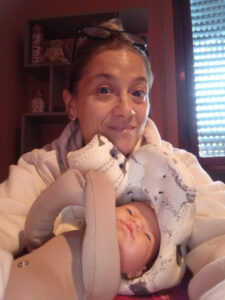

“Emotions blend and take shape in words. If words are not enough, we sigh them. If sighs are not enough, we sing them. If songs are not enough, instinctively, our hands and feet dance them.” – The Book of Odes”
Emotional Regulation for Adolescents and Adults
Integrative Baby Therapy is also highly beneficial for adolescents and adults, helping them:
-
- Understand the root of their discomfort and distress
- Release experiences that have become trapped in the body
- Develop new possibilities

Through IBT, we become aware that our nervous system is shaped by the imprints of our earliest experiences, and that birth is a profound transition. Recognizing these implicit memories helps us understand how we react to stress and major life transitions.
These early imprints can lead to difficulties in emotional regulation or psychosomatic symptoms deeply rooted in the body and mind.